
.png)
.png)
best wet pour rubber surfacing for schools in South Africa
- Ian Lewin
- Jan 15
- 8 min read

Why Wet Pour Rubber is the Best Choice for South African School Playgrounds
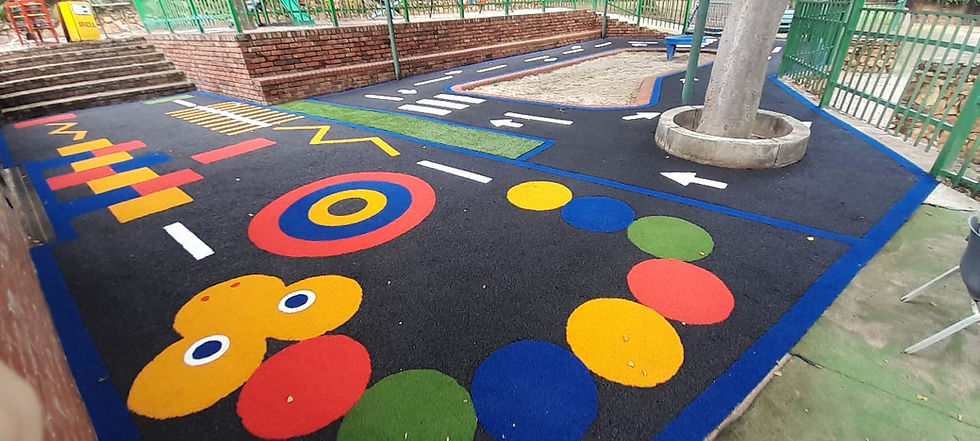
When it comes to creating safe, engaging, and durable play areas for students across South Africa, wet pour rubber surfacing stands out as the superior choice. Unlike traditional hard surfaces, which offer little impact absorption, wet pour rubber is specifically engineered to cushion falls, significantly reducing the risk of serious injuries on school playgrounds. This commitment to playground safety is paramount, and the seamless, customizable nature of wet pour allows for vibrant designs that spark imagination while adhering to critical safety standards. Its resilience against harsh weather conditions common in South Africa also means less maintenance and a longer lifespan, making it a smart long-term investment for schools.
Understanding Wet Pour Rubber: What is it and How Does it Work?
Wet pour rubber, also known as continuous rubber surfacing, is a specialized playground safety solution widely used across South Africa. It's a two-layer system, installed on-site, offering exceptional impact absorption. The base layer, typically made from recycled SBR (Styrene Butadiene Rubber) granules, provides crucial cushioning. The top layer, vibrant EPDM (Ethylene Propylene Diene Monomer) rubber, is mixed with a polyurethane binder and troweled onto the base. This seamless, porous surface drains well, minimizing slip hazards, and meets critical fall height requirements for various play equipment, ensuring children's safety.
Key Benefits of Wet Pour Rubber for Schools in South Africa
Choosing wet pour rubber surfacing for your school's playground in South Africa offers a multitude of advantages. Most importantly, it significantly enhances playground safety by providing a shock-absorbent surface that drastically reduces the risk of serious injuries from falls. Think about it: a child falling on asphalt versus a cushioned rubber surface – the difference in impact can be life-changing. Beyond safety, this durable material stands up to the harsh South African climate, resisting UV degradation and maintaining its vibrant appearance for years. It's also incredibly low maintenance, saving schools valuable time and resources typically spent on upkeep. Plus, the seamless design allows for creative, customisable areas, transforming ordinary play spaces into engaging, educational zones that truly spark children's imaginations.
Maximizing Your Playground Investment: Lifespan and Maintenance in South Africa's Climate
When you invest in wet pour rubber surfacing for your school playground in South Africa, you're not just buying a product; you're securing years of safe play. The lifespan of your playground safety surface hinges significantly on quality installation and consistent, yet simple, maintenance. Think about the intense South African sun – it's brilliant for outdoor activities, but it can be harsh on materials. High-quality wet pour, made with UV-stabilized EPDM granules, will withstand this exposure much better than cheaper alternatives, maintaining its vibrant colors and crucial elasticity for longer.
To truly maximize your playground safety investment, consider these key aspects:
UV Resistance is Non-Negotiable: As mentioned, South Africa's high UV index means you need surfacing engineered to resist fading and material degradation. Look for suppliers who can provide data on their EPDM's UV stability ratings. We've seen inferior products degrade visibly within a year, compromising both aesthetics and shock absorption.
Drainage, Drainage, Drainage: Our summer rains, especially in regions like KwaZulu-Natal or Gauteng, can be torrential. Proper sub-base preparation and ensuring your wet pour system allows for efficient water runoff is critical. Standing water can weaken the binder over time, leading to premature wear and potential slip hazards – defeating the purpose of playground safety.
Routine Cleaning is Key: Unlike rigid surfaces, wet pour rubber can trap small debris like sand, leaves, or even general litter. A simple sweep or blow with a leaf blower a few times a week prevents these abrasive particles from embedding and causing surface wear. For a deeper clean, a gentle wash with mild soap and water once a month is usually sufficient to remove grime and maintain hygiene, which is vital in a school environment.
Addressing Minor Damage Promptly: Small cuts or gouges, perhaps from sharp objects or rough play, are inevitable over many years. The beauty of wet pour is its repairability. Minor repairs can usually be patched seamlessly by a professional, preventing the damage from spreading and extending the life of the entire surface. Think of it like filling a small crack in a windscreen before it becomes a major problem – early intervention saves significant costs later and maintains optimal playground safety standards.
Annual Professional Inspection: While daily vigilance is important, an annual check-up by the installer or a certified professional can identify subtle signs of wear, assess drainage efficiency, and recommend preventative measures. This proactive approach helps predict and address potential issues before they become expensive repairs, ensuring your playground remains a safe and engaging space for children for a decade or more.
By prioritizing these factors, your school's wet pour rubber surfacing won't just be a purchase; it'll be a long-term asset, providing a safe, durable, and stimulating environment for generations of learners across South Africa.
How Long Does Wet Pour Rubber Last? Factors Influencing Durability
When you're investing in playground safety for schools in South Africa, you naturally want to know how long that investment will last. Wet pour rubber surfacing is renowned for its durability, typically offering a lifespan of 10 to 15 years, sometimes even longer, before significant refurbishment is needed. However, several key factors directly influence this longevity. For instance, high-traffic areas, like directly under swings or at the bottom of slides, will experience more wear and tear compared to less-frequented zones. The quality of the EPDM (Ethylene Propylene Diene Monomer) granules used is also critical; premium, virgin granules offer superior UV resistance and elasticity compared to recycled alternatives. Furthermore, consistent exposure to harsh South African sunlight can accelerate degradation, making UV-stabilised binders and topcoats essential for preserving colour and structural integrity. Proper installation by experienced professionals, ensuring correct base preparation and material ratios, significantly extends the surface's life. Lastly, even with the toughest materials, a routine maintenance schedule—including regular cleaning and prompt minor repairs—can add years to your wet pour rubber's lifespan, protecting your investment and ensuring continued playground safety.
Tailored Wet Pour Solutions: Specific Applications for South African Institutions
We understand that every school in South Africa has unique needs. That's why our wet pour rubber surfacing solutions are highly customizable, ensuring optimal playground safety and functionality across diverse settings. For bustling primary school playgrounds in urban centres like Johannesburg, we often recommend thicker, multi-layered systems to withstand constant high-impact play, providing superior fall attenuation. Conversely, for smaller ECD centres in more rural areas, a slightly thinner, vibrant design focusing on imaginative play zones might be more suitable and cost-effective. We also consider climate; UV-stabilised EPDM granules are essential for schools in sun-drenched regions such as the Western Cape, preventing fading and degradation over time. Our tailored approach guarantees that your investment directly addresses your institution's specific requirements, from protecting active learners to enhancing accessibility for all students.
Schools, Childcare Centers, and 'Playground Safety' Standards
Schools, Childcare Centers, and Playground Safety Standards
When it comes to schools and childcare centers across South Africa, playground safety isn't just a recommendation—it's a critical imperative. Choosing the right wet pour rubber surfacing directly impacts the safety of countless children every day. We're talking about more than just a soft landing; it's about reducing the risk of serious injuries from falls, which are unfortunately common. Look for surfacing that not only meets but exceeds local safety guidelines, ensuring a certified Critical Fall Height (CFH) appropriate for your playground equipment. This isn't a one-size-fits-all solution; the required thickness of your wet pour rubber will vary significantly based on the height of your play structures. Investing in high-quality, compliant surfacing provides peace of mind and, most importantly, a safer environment for our children to thrive and play.
Selecting the Best Wet Pour Rubber Supplier in South Africa
Choosing the right wet pour rubber supplier in South Africa is a big decision for any school, impacting both playground safety and long-term costs. You'll want a company with a proven track record, understanding the unique local regulations and climate challenges. Look for suppliers who can demonstrate certifications for their materials, ensuring they meet critical safety standards for playgrounds – especially regarding fall attenuation. Don't just compare prices; instead, inquire about the lifespan of their installations, their maintenance recommendations, and crucially, their warranty. A reputable supplier will offer comprehensive site assessments and custom designs that perfectly fit your school's specific needs and budget, providing full transparency on material sourcing and installation processes.
What to Look for in a Wet Pour Installation Company
Choosing the right company for your school's wet pour rubber surfacing in South Africa is just as crucial as selecting the material itself. You're entrusting them with playground safety and the well-being of countless children. Here’s what you should thoroughly investigate:
Experience and Portfolio: Don't just ask about their years in business; request a portfolio specifically showcasing their school projects in South Africa. Look for diverse installations, from smaller pre-primary playgrounds to large primary school sports zones. A company with a proven track record demonstrates expertise in navigating local regulations and environmental factors.
Certifications and Compliance: Ensure the company's installers are certified in wet pour application techniques. Crucially, verify their surfacing materials meet or exceed international safety standards like EN 1177 (Critical Fall Height) and local South African guidelines for playground equipment. Ask for certification documents directly.
Material Quality and Sourcing Transparency: Inquire about their rubber granule supplier. Are they using virgin EPDM (Ethylene Propylene Diene Monomer) for the top wear layer, known for its UV stability and colorfastness, or recycled SBR (Styrene-Butadiene Rubber) for the base? A reputable company will transparently explain the unique benefits and drawbacks of each, rather than just pushing a single product. For instance, virgin EPDM, though pricier, offers superior fade resistance under the intense South African sun.
Warranty and After-Sales Support: A robust warranty on both materials and workmanship provides peace of mind. Understand what it covers (color fading, delamination, cracking) and for how long. Ask about their maintenance recommendations and whether they offer ongoing support or cleaning services. A company that stands behind its work is invaluable.
Project Management and Communication: From the initial site assessment to project completion, assess their communication style. Do they provide clear timelines, detailed quotes, and regular updates? A well-organized team minimizes disruption to your school's operations and ensures the project stays on track and within budget.
References and Site Visits: Always ask for references from other schools where they’ve installed wet pour surfacing, preferably within your region of South Africa. Go a step further and request a site visit to one of their completed projects. This allows you to inspect the quality of their work firsthand and speak with school principals or facility managers about their experience with the installer. This due diligence is critical for ensuring long-term playground safety.
Kidztrends: Your Partner for Safe and Durable Playground Surfacing in South Africa
Choosing the right playground surfacing is a critical decision for any school in South Africa, directly impacting child safety and long-term durability. At Kidztrends, we specialize in high-quality wet pour rubber surfacing solutions, meticulously designed to meet stringent international safety standards. Our installations aren't just aesthetically pleasing; they provide superior impact absorption, drastically reducing injury risk from falls – a paramount concern for schools. We understand the unique environmental challenges here, from harsh sun to heavy foot traffic, and our materials are engineered to withstand them, offering an exceptional lifespan with minimal maintenance. You're investing in more than just a surface; you're investing in peace of mind and countless hours of safe, vibrant play for your students.
Get Started Today
Looking for expert solutions? kidztrends is here to help. Kidztrends is South Africa’s leading children's playground design company, specialising in eco-friendly play areas with recycled rubber flooring and artificial grass. They transform dream playgrounds into safe, engaging spaces for children while also installing high-quality safety surfaces for various recreational and professional environments.


Comments