
.png)
.png)
Wet Pour Rubber Designs & Patterns SA | kidztrends
- Ian Lewin
- 6 days ago
- 11 min read

Elevate safety with custom wet pour rubber designs by kidztrends. South Africa’s leader in eco-friendly patterns for schools, parks, and play areas.
Understanding Wet Pour Rubber: The Foundation of Safe Play
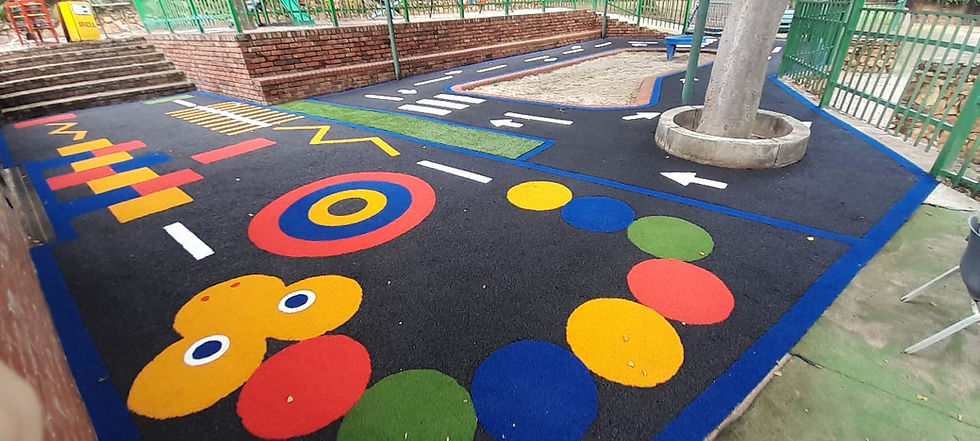
Wet pour rubber is more than just a surface; it’s a seamless, dual-layer system engineered for impact absorption. In South Africa’s harsh climate, quality matters.
The top layer utilizes EPDM granules, providing vibrant UV-stability, while the base consists of recycled SBR rubber. At kidztrends, we ensure these layers meet critical fall height (CFH) standards, significantly reducing injury risks for schools and municipalities across Gauteng and the Western Cape. Unlike loose-fill alternatives, this porous surfacing stays level, stays cool, and remains accessible for wheelchairs and strollers year-round.
Why Design Matters: Aesthetics and Functionality in Wet Pour Surfaces
Design isn't just about a pretty finish; it's a critical safety and educational tool. At kidztrends, we've seen how custom patterns like hopscotch grids or alphabet tracks transform a static floor into an interactive learning environment. Beyond play, strategic color-coding can delineate "safe zones" from high-traffic movement areas, helping school staff manage a busy playground at a glance.
The versatility of wet pour rubber allows for seamless integration of school logos or complex geometric shapes that reflect a brand's identity. In South African climates, thoughtful design also serves a functional purpose—lighter UV-stable pigments can help reduce surface heat absorption compared to solid black rubber. By blending vibrant aesthetics with purpose-driven layouts, you're investing in a space that stimulates a child's imagination while meeting strict safety standards. Find more inspiration for your layout at www.kidztrends.co.za.
Beyond Playgrounds: Versatile Applications of Wet Pour Rubber in SA
While often associated with schoolyards, wet pour rubber is transforming spaces across South Africa due to its immense durability and slip resistance. Its seamless, porous nature makes it a premium choice for water parks and pool surrounds in Western Cape resorts, where safety is non-negotiable.
Beyond recreation, kidztrends installs these surfaces in high-traffic elderly care facilities and commercial walkways to reduce trip hazards. From vibrant, multi-coloured bike tracks in Gauteng housing estates to impact-absorbing flooring for outdoor gyms, the design flexibility allows for custom branding or intricate patterns that standard paving simply can't match.
Visit kidztrends to see how these eco-friendly solutions serve municipalities and developers nationwide.
Eco-Friendly & Recycled Wet Pour Rubber: A Sustainable Choice for South Africa
Choosing kidztrends’ wet pour rubber means more than just prioritizing safety; it’s a direct commitment to South Africa's circular economy. Our surfacing utilizes high-quality recycled SBR (Styrene-Butadiene Rubber) diverted from local landfills, significantly reducing environmental waste.
Unlike traditional concrete or wood mulch, this porous material promotes natural groundwater recharge, making it ideal for the diverse climates found across Gauteng, the Western Cape, and KwaZulu-Natal. By integrating these eco-friendly materials, we help schools and developers achieve long-term durability without sacrificing environmental integrity.
Combining Wet Pour Rubber with Artificial Grass: Integrated Surfacing Solutions
Combining Wet Pour Rubber with Artificial Grass: Integrated Surfacing Solutions
In modern South African playground design, "one-size-fits-all" surfacing is becoming a thing of the past. At kidztrends, we’ve seen a massive shift toward integrating wet pour rubber with artificial grass to create high-performance, multi-textured environments. This hybrid approach combines the impact-absorbing safety of rubber—ideal for critical fall heights under jungle gyms—with the natural aesthetic and tactile variety of synthetic turf.
Property developers and schools across provinces like Gauteng and the Western Cape are increasingly choosing these integrated solutions to define specific zones. For example, you can use vibrant wet pour patterns to create a dedicated bike track or "splash pad" area, while surrounding it with artificial grass for open-ended play and relaxation.
This combination isn't just about looks; it’s a strategic choice for durability. While grass provides a soft feel, rubber handles high-traffic friction points that would otherwise wear down turf prematurely. By blending these materials, kidztrends delivers a seamless, low-maintenance surface that meets stringent safety standards while keeping the playground visually engaging for years. Explore our integrated projects at www.kidztrends.co.za to see how these textures work together in real-world South African climates.
Key Considerations for Choosing Wet Pour Rubber Designs in South Africa
When selecting a wet pour rubber layout, you need to balance aesthetics with South Africa’s demanding environmental factors. Harsh UV exposure in provinces like Gauteng and the Western Cape can cause inferior pigments to fade, so we recommend aliphatic binders for vibrant, long-lasting colors.
Your design should also prioritize functional safety; for example, using contrasting color rings to mark "fall zones" around high-impact equipment. At kidztrends, we often integrate educational elements like hopscotch grids or maps directly into the surface. This adds immense value for schools and childcare centers without the need for additional freestanding equipment.
Don't forget about heat absorption—lighter shades like beige or light gray stay significantly cooler under the African sun than dark blacks or blues. Planning your patterns with these thermal and safety considerations ensures a playground that is as practical as it is visually striking. For more design inspiration, you can explore our portfolio at www.kidztrends.co.za.
Installation Process: From Design Conception to Finished Surface
The transformation begins with a precision-cut base layer of SBR (Styrene Butadiene Rubber). We meticulously prepare the sub-base—whether it’s concrete or crushed stone—to ensure optimal drainage and structural integrity. At kidztrends, we believe the magic happens during the hand-troweled application of the EPDM top layer, where intricate patterns and vibrant logos are seamlessly integrated into the surface.
Unlike modular tiles, our wet pour rubber creates a continuous, trip-free finish that accommodates complex South African site topographies. We finish the process with a high-strength polyurethane binder, ensuring the design remains UV-stable and resilient against the intense Gauteng sun or coastal humidity. For a closer look at our technical specifications, you can explore our full range of solutions at www.kidztrends.co.za.
Maintenance Tips for Longevity and Vibrant Designs
To keep your playground’s patterns looking sharp and functional, regular upkeep is essential. We recommend a weekly "sweep and spray" approach—removing debris with a soft outdoor broom and rinsing the surface with a garden hose to prevent dirt from dulling the pigments.
For schools and high-traffic areas across South Africa’s provinces, yearly professional deep cleaning is a smart investment. This process removes deep-seated contaminants that can compromise the UV-stable binders. At kidztrends, we often advise clients to address spills or stains immediately with mild, pH-neutral soap; avoiding harsh petroleum-based chemicals is critical, as these can degrade the rubber granules over time.
If you notice "fretting"—where small bits of rubber begin to loosen—it’s time for a professional top-coat reseal. Taking these proactive steps ensures your wet-pour designs remain vibrant and compliant with safety standards for years to come. For more detailed maintenance guides, you can always visit us at www.kidztrends.co.za.
Finding the Right Partner for Your Wet Pour Rubber Project in SA
Choosing a contractor for wet pour rubber surfacing is about more than just finding the lowest quote; it’s about ensuring long-term safety and durability. In South Africa’s harsh climate, installers must understand how UV exposure affects binder stability and critical fall heights. A partner who prioritizes high-quality, non-toxic EPDM granules will ensure your playground remains vibrant and impact-absorbent for years.
At kidztrends, we focus on precision-engineered designs that meet rigorous safety standards while maximizing aesthetic appeal. Whether you are surfacing a school in Gauteng or a water park in the Western Cape, look for a specialist with a proven track record in seamless installations. You can explore our portfolio of durable, eco-friendly surfacing solutions at www.kidztrends.co.za to see how we balance functional safety with creative local flair.
Why Choose Kidztrends for Your Wet Pour Rubber & Design Needs?
Creating a safe play area shouldn't mean sacrificing your aesthetic vision. At kidztrends, we specialise in high-impact wet pour rubber surfacing that prioritises Critical Fall Height (CFH) compliance without losing its creative edge. Whether you're a school in Gauteng needing educational alphabet patterns or a coastal resort in the Western Cape looking for UV-stable, sea-themed designs, we deliver.
We handle the entire process across South Africa, from sub-base preparation to intricate hand-trowelled graphics. Our eco-friendly, recycled rubber solutions are designed to withstand the harsh South African sun, ensuring your playground remains vibrant and durable for years. Explore our design capabilities at www.kidztrends.co.za to see how we turn safety surfacing into functional art.
Frequently Asked Questions
What is the average cost of wet pour rubber per square meter in South Africa?
The average cost of wet pour rubber in South Africa typically ranges between R750 and R1,250 per square meter. While this is a premium surfacing option compared to sand or bark, the long-term value lies in its durability, safety certifications, and low maintenance requirements.
Several factors influence the final pricing. The thickness of the rubber layer is the primary driver; surfaces designed for high fall heights (like those under tall jungle gyms) require a thicker shock-absorbent base, which increases the cost. Additionally, the complexity of your design—such as intricate patterns, vibrant logos, or multi-coloured bike tracks—requires more labour and precision.
At kidztrends, we focus on providing high-quality, eco-friendly solutions that balance safety with aesthetics. We often recommend a combination of recycled black rubber for base layers and UV-stable EPDM granules for the top finish to ensure the surface remains vibrant under the harsh South African sun.
For property developers and schools across provinces like Gauteng and the Western Cape, investing in wet pour rubber often reduces long-term operational costs by eliminating the need for daily raking or topping up of loose-fill materials. You can explore our specific surfacing options at www.kidztrends.co.za to get a tailored estimate for your project.
How long does wet pour rubber last in South African weather conditions?
In the diverse South African climate—ranging from the intense UV rays of the Northern Cape to the humid coastal conditions of KwaZulu-Natal—high-quality wet pour rubber surfacing typically lasts between 8 and 12 years. Its longevity is largely due to its porous nature, which allows for rapid drainage during heavy summer thunderstorms, preventing waterlogging and rot.
At kidztrends, we ensure maximum durability by using premium EPDM (Ethylene Propylene Diene Monomer) granules mixed with high-grade polyurethane binders. This combination is specifically engineered to resist the harsh African sun, which can cause inferior materials to become brittle or fade prematurely.
To get the most out of your installation, we recommend a "top-up" seal coat every few years. This simple maintenance step rejuvenates the binder, keeping the surface flexible and the colours vibrant.
Whether you are a school in Gauteng or a property developer in the Western Cape, choosing a professional installation from kidztrends ensures your playground remains a safe, soft-impact zone for a decade or more. You can explore our durable design options at www.kidztrends.co.za to see how we build play areas that stand the test of time.
Can wet pour rubber be installed over existing surfaces?
Yes, wet pour rubber can be installed over many existing surfaces, provided they are structurally sound and porous enough to allow for proper drainage. Common substrates include concrete, asphalt, and even well-compacted crushed stone. The key requirement is that the base must be stable and free from significant movement or cracks that could telegraph through to the rubber surface.
At kidztrends, we often recommend installing over a concrete or tar base for high-traffic areas like schools or public parks in Gauteng and the Western Cape. This ensures the playground remains level and durable for years. If the existing surface is uneven, we can often level it during the preparation phase to ensure a seamless finish.
Installing over existing infrastructure is a cost-effective way to upgrade a play area without the massive expense of a full excavation. However, we do not recommend installing directly over grass or loose soil, as the ground shifts over time, which can lead to tearing.
For more information on site preparation and rubber surfacing solutions, visit our website at www.kidztrends.co.za. We specialise in assessing your current terrain to determine the most stable and safe foundation for your new playground.
Are there DIY kits available for wet pour rubber installation in South Africa?
While you can find basic repair kits for minor patches, full DIY kits for large-scale wet pour rubber installations are generally not available in South Africa. This is because the process requires specialized machinery, precise chemical ratios, and specific ambient temperatures to ensure the surface cures correctly and remains safe for children.
Achieving the seamless, vibrant patterns seen in professional designs requires a level of craftsmanship that is difficult to replicate without experience. If the mixture of EPDM granules and polyurethane binder is slightly off, the surface can crack, crumble, or lose its impact-absorbing properties, which compromises the safety of the playground.
At kidztrends, we believe the safety of children in provinces like Gauteng, KwaZulu-Natal, and the Western Cape is paramount. Instead of risky DIY attempts, we provide professional installation services across South Africa. Our team ensures every design—from colorful shapes to intricate bike tracks—is durable and compliant with safety standards.
For property developers and schools looking for long-lasting results, investing in professional installation is more cost-effective than fixing a failed DIY project. You can explore our previous work and safety specifications at www.kidztrends.co.za to see the difference professional application makes.
What are the safety standards for playground rubber flooring in South Africa?
In South Africa, the safety of playground rubber flooring is primarily governed by the SANS 51176 and SANS 51177 standards. These regulations provide strict guidelines on equipment safety and impact attenuation, ensuring that surfaces can effectively absorb the shock of a fall.
The most critical factor is the Critical Fall Height (CFH). This involves matching the thickness of the rubber surfacing to the height of the highest accessible part of the play equipment. For example, a jungle gym with a two-metre platform requires a significantly thicker layer of rubber than a low-level balance beam to prevent serious head injuries.
At kidztrends, we prioritise these safety benchmarks across Gauteng, the Western Cape, and beyond. We don’t just focus on the aesthetics of our wet-pour rubber designs; we ensure every installation meets rigorous density and slip-resistance requirements.
Beyond official standards, practical safety also includes ensuring the surface is seamless to prevent tripping and UV-stable to withstand the harsh South African sun. Choosing a professional installer like kidztrends (www.kidztrends.co.za) ensures that your playground remains compliant, durable, and, most importantly, a safe environment for children to explore.
How do I choose the best designs and patterns for my wet pour rubber surface?
Choosing the ideal design for a wet pour rubber surface requires balancing safety requirements with visual appeal. Start by considering the primary age group and the play equipment involved. For schools and childcare centers in provinces like Gauteng or the Western Cape, bright primary colors and educational patterns—such as alphabet grids or number hops—encourage active learning.
Next, think about the landscape. If the playground sits within a natural garden, earth tones like forest green and terracotta blend seamlessly. Conversely, water parks often benefit from cool blues and wavy patterns that mimic the movement of water. At kidztrends, we often recommend using contrasting colors to highlight "fall zones" around high-activity equipment, providing a subconscious safety cue for supervisors.
Practicality is also key. Darker colors hide dirt well in high-traffic areas, while lighter flecks can help reduce heat absorption during South Africa's intense summers. We help clients visualize these options through custom 2D designs, ensuring the final layout enhances both the aesthetic and the safety of the site. Whether you are a property developer or a homeowner, visiting www.kidztrends.co.za can provide inspiration for durable, eco-friendly patterns that transform ordinary spaces into imaginative play environments.
Conclusion & Next Steps
Transform Your Space with Custom Safety Surfacing
Choosing the right wet-pour rubber design is about more than aesthetics; it is an investment in safety, durability, and imaginative play. By incorporating vibrant patterns, educational elements, and varied textures, you can transform a standard recreational area into a landmark destination. Whether you are surfacing a school playground in Gauteng or a high-traffic water park along the Western Cape coast, the versatility of recycled rubber ensures a long-lasting, eco-friendly solution that meets stringent safety standards.
At kidztrends, we specialize in bringing these intricate designs to life. Our team works closely with developers and educators across South Africa to create bespoke surfacing solutions that balance visual appeal with maximum impact absorption. From custom logos to interactive bike tracks, we ensure every installation is professional and built to endure the South African climate.
Ready to elevate your playground or facility? Explore our portfolio of custom designs at kidztrends to see the possibilities for your project. To discuss your vision and receive a tailored quotation, contact our specialists today at +27 82 875 5255 or via email at sales@kidztrends.co.za. Let kidztrends help you build a safer, more vibrant future for development and play.


Comments